
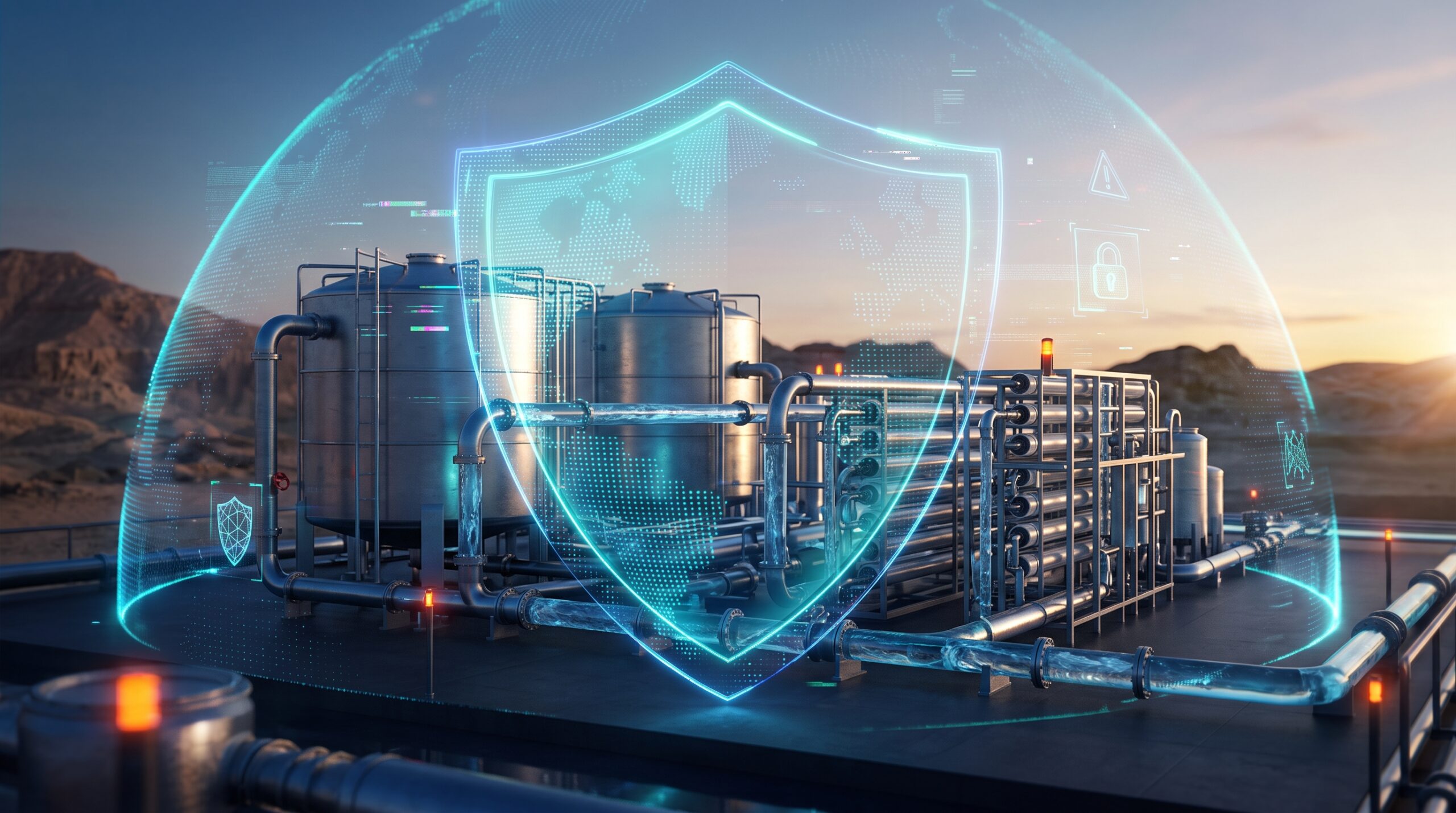
A ransomware group’s claim raises concerns about cybersecurity and the protection of essential public services, but no successful breach or service disruption has been independently confirmed.
On October 15, 2026, the ransomware group LockBit 5.0 listed Luxor Water and Wastewater Company in Egypt among its alleged victims.
However, a listing on a ransomware group’s website does not prove that an attack was successful. As of this report, there is no independent confirmation that water services were disrupted or customer data was stolen. The extent of any possible impact on the company’s systems remains unknown.
Why Is This Important?
Water and wastewater services depend on systems that support daily operations, customer services, billing, and equipment monitoring. A ransomware attack can lock files and systems or involve the theft of sensitive data.
If systems needed to operate water services or respond to technical problems are affected, the company could face delays and, in some circumstances, service disruption. These are potential risks, not confirmed consequences of the reported incident in Luxor.
It is also important to understand that administrative IT systems, such as email, billing, and customer records, are different from operational technology (OT), which monitors or controls physical equipment and processes. Keeping these networks separate and properly secured can help prevent an attack from spreading. There is currently no confirmed information about which systems, if any, were affected.
How Can Organizations Reduce the Risk?
Organizations responsible for essential services should strengthen their cybersecurity measures by:
- Enabling multi-factor authentication (MFA) to make unauthorized access more difficult.
- Keeping secure backups and regularly testing recovery procedures.
- Separating administrative IT networks from operational technology networks where appropriate.
- Monitoring systems for suspicious activity and responding quickly to potential attacks.
- Maintaining a clear recovery plan to restore essential operations as soon as possible.
What Should Citizens Do?
People should be cautious of calls and messages pretending to come from the water company, especially those requesting personal or banking details or directing users to unfamiliar payment links. Always use official payment channels and avoid sharing sensitive information with untrusted sources.
Protecting Essential Services
This report highlights the importance of cybersecurity in protecting the services people rely on every day. However, the reported claim should be treated with caution until further evidence becomes available.
A ransomware group’s claim is not proof of a confirmed breach, stolen data, or disrupted water services.