
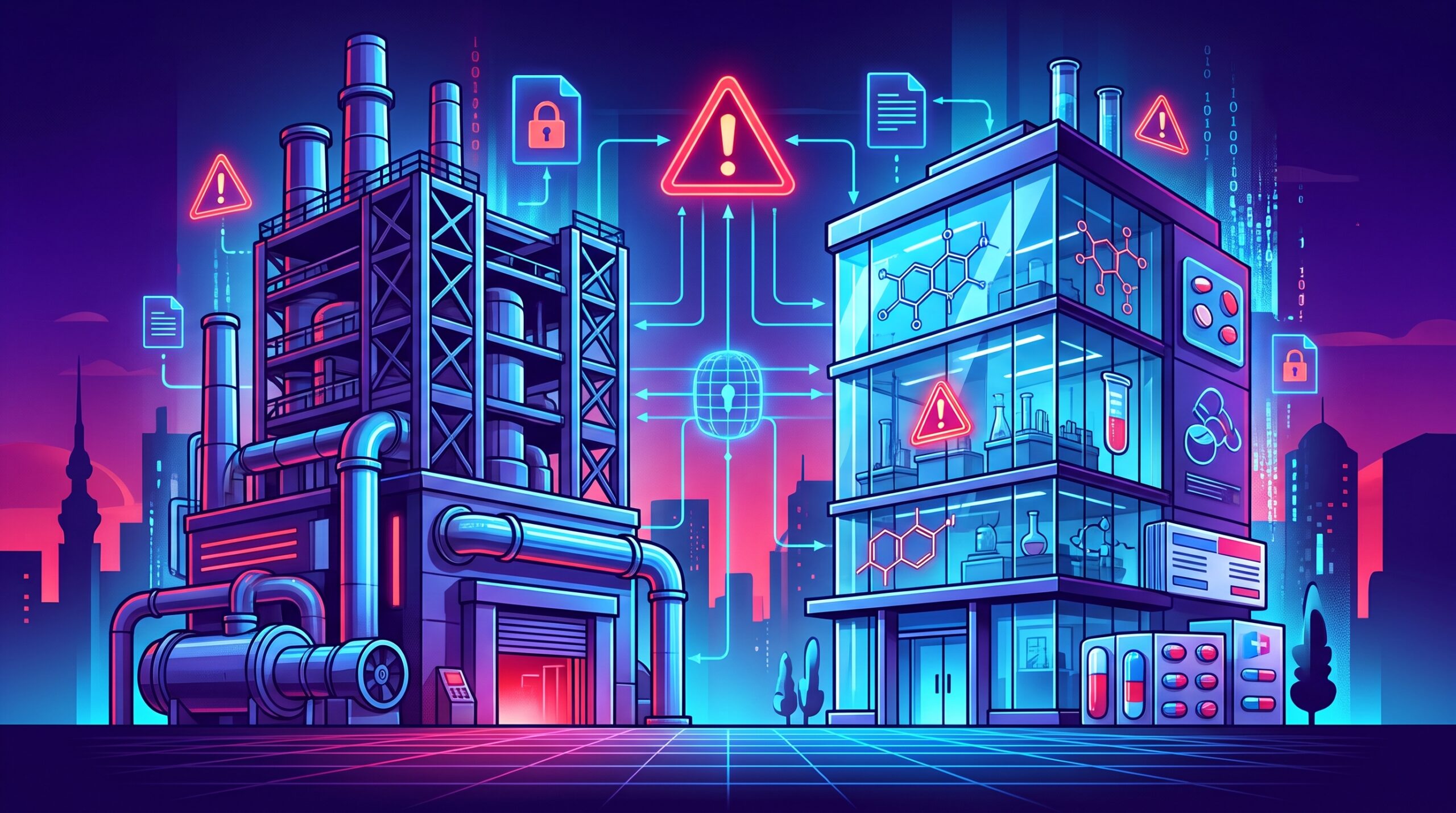
Two Egyptian companies, Egyptian Steel Company and Chemipharm, have recently appeared on websites used by ransomware groups to publish information they claim to have stolen from their victims.
According to available reports, on November 19, 2026, the ransomware group SoulGroup listed Egyptian Steel Company, a manufacturer in the steel industry. Earlier, on November 16, 2026, another group, RansomHouse, listed Chemipharm, a company operating in pharmaceutical distribution.
How Do These Attacks Work?
Ransomware groups may gain access to company systems, steal information, and threaten to publish it unless their demands are met. This can put business operations, confidential information, and relationships with suppliers at risk.
If stolen files contain personal information, employees, customers, and business partners may also be affected.
Important Clarification
Being listed on a ransomware group’s website does not automatically mean that a successful breach has been confirmed.
At the time of reporting, neither incident had been independently confirmed. Available information does not establish what data, if any, was stolen, how the attackers may have gained access, or whether either company’s operations were affected.
How Can Employees and Business Partners Protect Themselves?
Organizations and their partners should remain alert to suspicious communications:
- Check emails and messages claiming to come from either company. Avoid suspicious links and attachments.
- Treat unexpected requests to change supplier bank details or transfer payments to a new account with caution. Verify such requests by calling a trusted contact using a previously known phone number.
- Report suspicious messages to the organization’s IT or cybersecurity team.
These are general security precautions and should not be taken as evidence that such scams occurred in either case.
Why Does This Matter?
Cybersecurity goes beyond protecting computers and networks. It also means protecting business information, daily operations, relationships, and trust.
Employees, suppliers, and business partners all have a role in reducing cyber risks and helping organizations respond to suspicious activity.